Selecting the Perfect Resources for Constructing a Durable and Protected Outdoor Performance Platform
Choosing the appropriate materials for building a long-lasting and safe external performance surface is essential for guaranteeing an enjoyable experience. Outdoor dance floors must withstand various weather conditions while providing a firm foundation for dancers and participants. Thus, it is important to evaluate factors such as material resilience, safety attributes, and maintenance requirements when making selections. This article will explore several suitable materials and their advantages in designing an outdoor dance floor.
One popular choice for outdoor dance floors is wood. Lumber provides a classic and warm aesthetic that many find appealing. Hardwoods like maple or ash are particularly favored due to their durability and ability to absorb impact, which can protect dancers’ joints. Additionally, wood has inherent anti-slip qualities when treated correctly, reducing the chance of injuries. However, preserving a timber dance floor demands routine coating and resurfacing to shield it from humidity and ultraviolet damage, rendering it essential to consider the climate in which the floor will be installed.
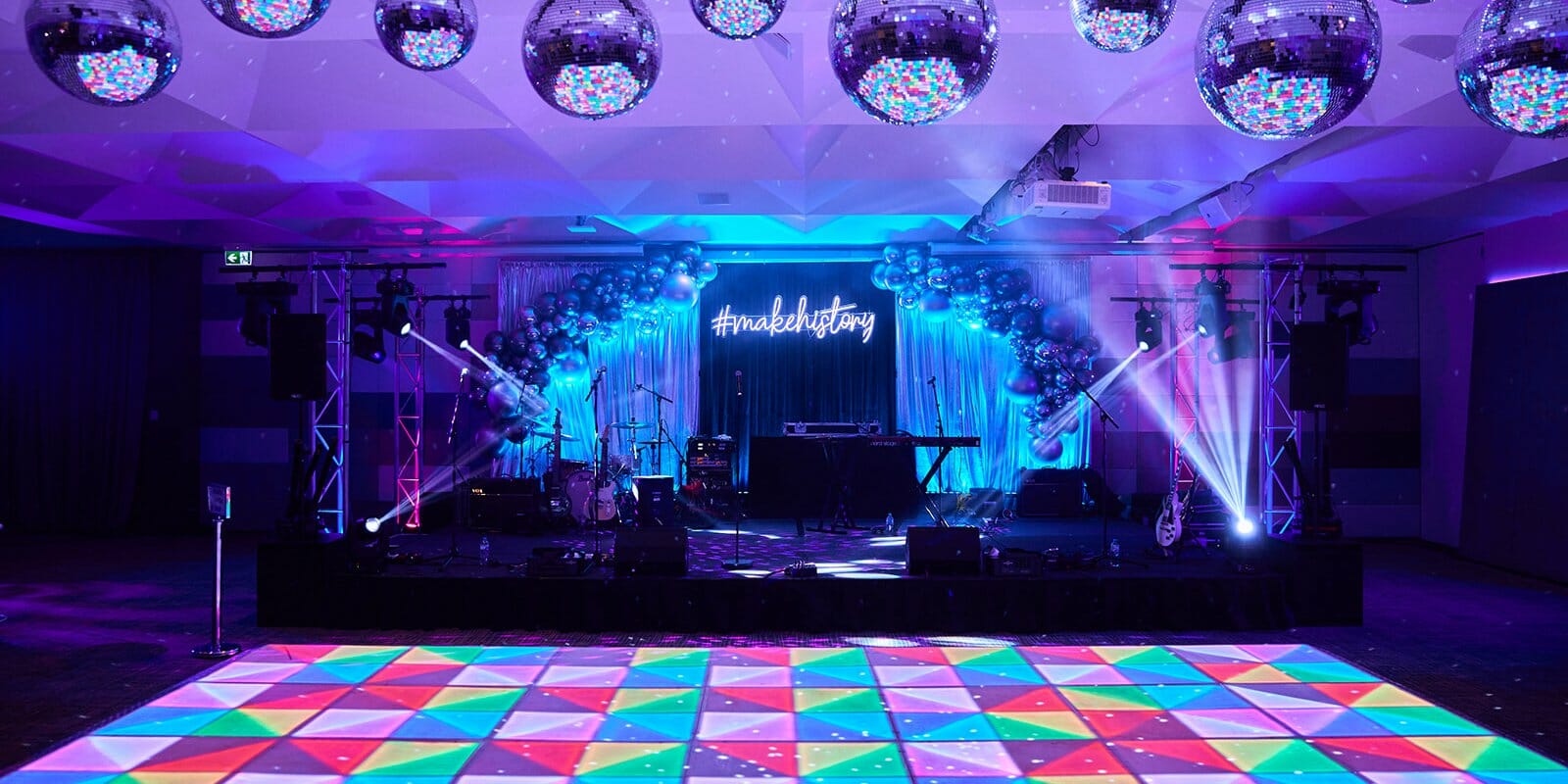
Another practical option is composite materials, which combine wood fibers with plastic. These materials are engineered to be resistant to moisture, mildew, and discoloration from UV exposure. Synthetic dance floors offer durability similar to conventional wood without the intensive upkeep. They are less susceptible to distortion and splitting than natural wood floors when subjected to extreme environmental conditions. Furthermore, composite materials often have built-in anti-slip features, making them a more secure selection for open-air events.
For those seeking a more contemporary approach, modular tiles made of polyvinyl chloride or elastomer are reliable alternatives. These tiles are designed for easy setup and can be reconfigured or swapped as required. The versatility of using interlocking tiles allows for quick setup and breakdown, making them ideal for temporary dance venues or festivals. Additionally, these materials provide cushioning Check This Out that enhances comfort while dancing and minimizes the risk of injuries caused by falls. The non-porous structure of PVC and rubber also helps prevent water absorption, additionally prolonging the life of the flooring.
Finally, it is vital to consider the location and intended use of the outdoor dance floor when selecting components. For instance, if the dance floor will be situated in a high-traffic area or exposed to inclement weather frequently, choosing robust materials that require minimal maintenance will be essential. On the other hand, look here for less intense use or in more sheltered areas, lighter options may be adequate. In any case, emphasizing safety aspects such as grip and impact resistance should remain at the forefront of planning.
In conclusion, building a long-lasting and secure outdoor dance floor involves careful consideration of diverse solutions appropriate for different settings and applications. Timber provides classic aesthetics but requires diligent maintenance; composite materials balance aesthetics with resilience; interlocking tiles provide versatility and convenience. At the end of the day, identifying the unique needs of the dance floor's planned use will inform material selection toward choosing the most suitable material for an enjoyable and safe dancing experience outdoors.